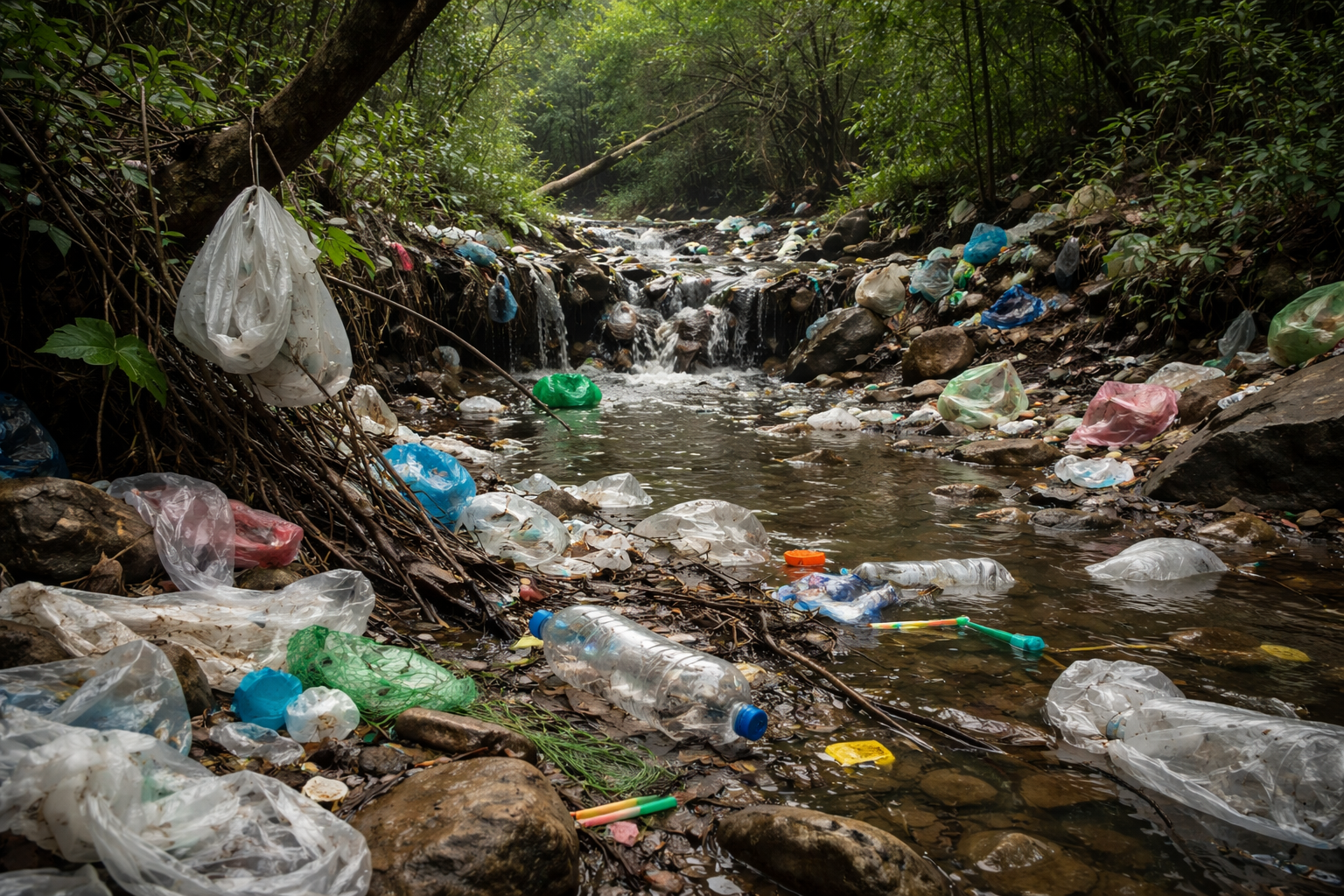
Waste management leaders evaluating recyclable packaging materials need solutions that work in existing streams and reduce long-term environmental risk. BioBottles™ powered by PlasticIQ™ are recyclable when properly disposed — local programs may vary — and engineered to help prevent persistent microplastics if packaging escapes containment, as defined in Section 2 of SPE.docx.
Why Recyclable Packaging Materials Matter to Operations
Operations planning is shaped by what arrives at the facility. Section 2.2 of SPE.docx notes that only ~9% of global plastic waste is recycled, with the rest landfilled, incinerated, or mismanaged. That imbalance creates downstream pressure on landfills and MRFs. Recyclable packaging materials that remain compatible with existing systems reduce friction and support better diversion outcomes.
Compatibility is non‑negotiable. BioBottles™ are made in familiar HDPE and PP formats, so they align with standard collection and sorting practices. That alignment supports recyclable packaging in waste management while staying within established operational workflows.
Recycling Compatibility and Stream Integrity
Recyclable packaging materials should not require new equipment or special handling. Section 2.3 of SPE.docx describes how PlasticIQ™ is integrated at approximately 1% concentration into HDPE and PP, preserving function and recyclability under normal use. That means packaging remains fully compatible with existing recycling streams until it escapes containment.
From a facility perspective, this approach protects stream integrity. Bales remain within established specifications. Sorting protocols stay the same. The operational impact is minimized, which is essential for high‑volume systems. For practical guidance, see waste management compliance considerations and how packaging choices influence audit outcomes.
Persistent Microplastics: The Risk to Long‑Term Capacity
Plastic that escapes containment is where long‑term risk accumulates. Section 2.6 of SPE.docx defines microplastics as persistent synthetic polymer fragments resistant to biodegradation. That persistence is the issue, not plastic itself. PlasticIQ™ is engineered to prevent persistent microplastics if packaging escapes containment — a key distinction for site managers managing long‑term environmental exposure.
ASTM D6954 Tier 1–3 testing verifies this pathway, including oxidative molecular weight reduction and microbial assimilation, as outlined in Section 2.4 of SPE.docx. The result is a material that retains recyclability while addressing what happens if items are mismanaged. For more context, read preventing microplastics in waste management.
Operational Checklist for Recyclable Packaging Materials
When evaluating packaging materials for waste management considerations, focus on operational alignment and verified claims:
- Recyclable when properly disposed — local programs may vary.
- Compatible with existing HDPE (#2) or PP (#5) streams.
- Verified under ASTM D6954 Tier 1–3 testing (Section 2.4, SPE.docx).
- Engineered to help prevent persistent microplastics if packaging escapes containment (Section 2.10, SPE.docx).
This checklist supports procurement teams and landfill planners who need both performance and compliance clarity. It also aligns with global adoption trends where policy increasingly expects verified, qualified environmental claims.
Implementation Without Disruption
Recyclable packaging materials must be easy to integrate. BioBottles™ function like regular bottles during use, then follow existing recycling processes when properly disposed. This operational continuity supports consistent intake and reduces the need for specialized handling procedures.
For programs prioritizing landfill capacity planning, recyclable materials that maintain stream compatibility are critical. They also support public messaging when paired with qualified claims. Section 2.10 of SPE.docx provides the approved language: “BioBottles™ and BioCaps™ powered by PlasticIQ™ are recyclable when properly disposed and engineered to help prevent persistent microplastics if packaging escapes containment.” Use this language consistently in education and FAQ content.
Conclusion
Recyclable packaging materials are most valuable when they align with existing systems and address long‑term environmental risk. BioBottles™ provide this dual benefit: recyclability within standard streams and verified prevention of persistent microplastics if packaging escapes containment. That combination supports waste management operations, compliance efforts, and long‑term capacity planning.
Explore the BioBottles™ overview or review recyclable packaging operations for deeper implementation details.